
Air Source Heat Pumps vs Gas Boilers: Which Is More Efficient
Choosing a heating system represents a significant decision with long-term implications for comfort, running costs and environmental impact. For decades, gas boilers dominated as the preferred fuel source, offering reliable and relatively affordable heating. Now air source heat pumps present an alternative, promising superior efficiency and lower carbon emissions. But which system genuinely delivers better performance? This comparison examines both technologies objectively, helping you understand the strengths and limitations of each option for your specific circumstances.

Why you can trust our content
We know the renewable heating industry can be confusing, but we only rely on trusted sources, including:



At a glance
What Do We Mean by Heating Efficiency?
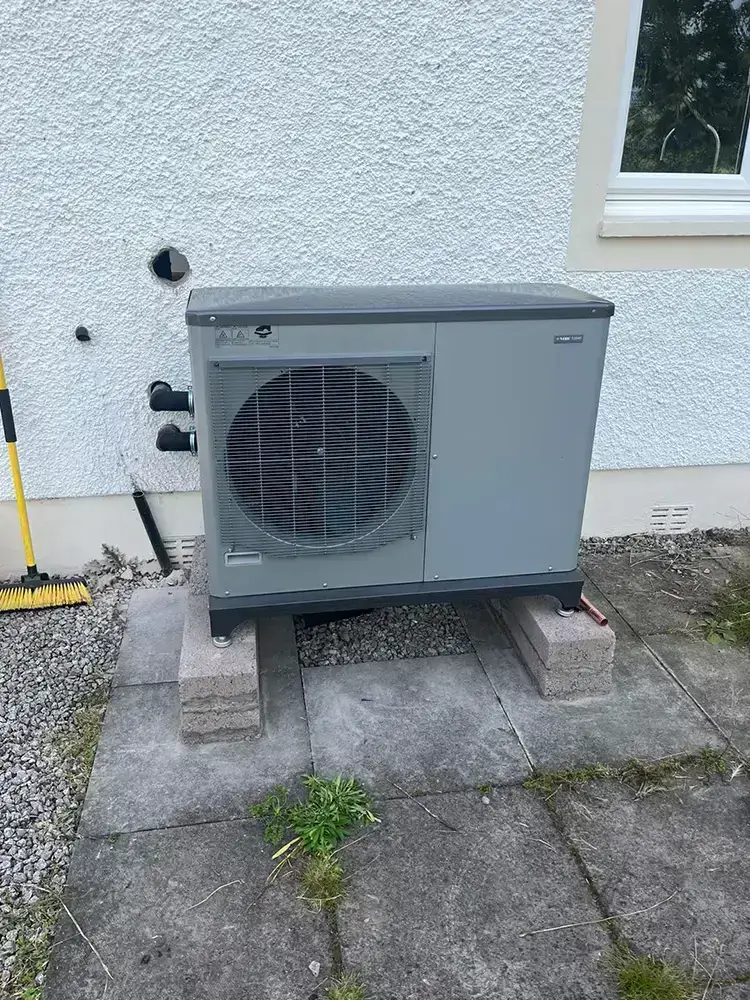
Efficiency in heating systems describes how effectively they convert fuel or electricity into usable heat. Traditional gas boilers burn natural gas, producing hot water that circulates through radiators or underfloor heating. Modern condensing boilers achieve around 90% efficiency, meaning 90% of the energy in the gas becomes useful heat. The remaining 10% escapes through the flue and other losses. Air source heat pumps work differently, transferring existing heat rather than generating it through combustion. They extract warmth from outdoor air, concentrate it and deliver it indoors. For every unit of electricity consumed, a well-designed heat pump delivers three to four units of heat. This 300% to 400% efficiency dramatically exceeds what any combustion-based system can achieve, fundamentally changing the efficiency equation for home heating.
How Do Running Costs Compare Between Heat Pumps and Gas Boilers?
Running costs depend on both system efficiency and fuel prices. Gas remains relatively affordable in the UK, giving gas boilers an advantage in fuel cost per unit. However, heat pumps use far less energy to deliver the same heat output, partially offsetting the higher electricity price. For a typical well-insulated home in Annan, an air source heat pump fitter can design a system that rivals or betters gas boiler running costs. The comparison shifts considerably for properties without mains gas. Homes using oil, LPG, or electric heating typically see substantial cost savings when switching to a heat pump. As electricity increasingly comes from renewable sources, the relative cost advantage may improve further. It’s also worth considering future trends – fossil fuel prices face upward pressure from carbon pricing and resource scarcity, whilst renewable electricity costs continue falling. Forward-looking homeowners weigh not just today’s costs but likely long-term trajectories.
Which System Has Lower Carbon Emissions?
Environmental performance increasingly influences heating decisions. Gas boilers burn fossil fuels, directly releasing carbon dioxide into the atmosphere. Even the most efficient condensing boiler produces significant emissions per unit of heat delivered. Air source heat pumps eliminate on-site combustion, running on electricity. Their carbon footprint depends on how that electricity is generated. As the UK’s grid incorporates more wind, solar and other renewable sources, the emissions associated with heat pump operation continue declining. A heat pump installation in Annan already produces considerably fewer emissions than gas heating, and this advantage grows each year as the grid becomes greener. For homeowners prioritising environmental impact, heat pumps offer a clear pathway to dramatically reduce heating-related carbon emissions. This reduction represents one of the most effective steps households can take towards net-zero.
What About Installation Complexity and Cost?
Installation represents another key difference between these systems. Replacing an existing gas boiler with a new one is relatively straightforward, typically completed within a day or two. The infrastructure already exists – gas supply, flue position and pipework. Heat pump installation involves more extensive work. The system requires outdoor space for the external unit, careful positioning to minimise noise and visual impact, electrical supply upgrades and often adjustments to radiators or pipework. A professional ASHP installation in Annan typically takes several days to complete properly. This complexity translates to higher installation costs. Even with available government grants, heat pump installation requires a larger upfront investment than boiler replacement. However, this comparison changes if you’re replacing a failed boiler in a property without mains gas. In such circumstances, the cost difference narrows considerably, making the superior efficiency of heat pumps more financially attractive.
Which option best describes your home?
Bungalow
Semi-Detached
Detached
Flat
Terraced
It just takes 60 seconds
And then you can book a free consultation
Do Heat Pumps Work with Existing Radiators?
A common concern about heat pumps involves compatibility with existing heating systems. Gas boilers produce water at 60-80°C, whilst heat pumps operate most efficiently at 35-50°C. This lower temperature affects radiator sizing requirements. Well-insulated properties with adequate radiator surface area often accommodate heat pumps without changes. Other properties may require some radiators to be upsized to compensate for lower flow temperatures. Underfloor heating pairs particularly well with heat pumps, as it operates efficiently at lower temperatures. A thorough assessment by experienced installers identifies exactly what modifications your property requires. This analysis considers your home’s heat loss, existing radiator sizes and insulation levels. Some homes transition to heat pumps with minimal changes, whilst others benefit from strategic upgrades. Understanding these requirements upfront ensures realistic expectations and optimal performance.
Which System Is Better for Older Properties?
Property age and construction significantly influence heating system suitability. Older properties typically have higher heat loss through walls, windows and roofs. Gas boilers handle these higher demands easily, rapidly heating spaces even with significant heat loss. Heat pumps can certainly heat older properties, but they work most effectively when heat loss is addressed first. This might involve improved loft insulation, double glazing or other efficiency measures. Without these improvements, heat pumps in poorly insulated properties may struggle during the coldest weather or require larger, more expensive systems. For period properties in conservation areas where external modifications are restricted, gas boilers may prove more practical. However, many older properties can successfully transition to heat pumps when appropriately prepared. The decision depends on your willingness to invest in insulation improvements alongside the heating system itself.
If you’re considering heating options for your property, speak to an installer for tailored advice on the most suitable system for your circumstances.
What About Reliability and Maintenance Requirements?
Both systems require annual servicing to maintain performance and safety. Gas boilers need combustion checks, flue inspection and component verification. Heat pump servicing involves refrigerant checks, electrical connections and control system verification. Heat pump servicing typically costs more, reflecting the specialised knowledge required. However, heat pumps generally have fewer mechanical parts than boilers and don’t involve combustion, potentially reducing breakdown frequency. Component lifespan differs too – gas boilers typically last 12 to 15 years, whilst properly maintained heat pumps often exceed 20 years. This extended lifespan partially offsets the higher initial investment. Both systems benefit from preventative maintenance rather than reactive repairs. Regular servicing identifies minor issues before they become expensive failures, ensuring consistent performance throughout the system’s operational life.
Can Heat Pumps Provide Hot Water as Well as Heating?
Both systems can provide domestic hot water alongside space heating. Gas boilers typically heat water on demand through a separate hot water cylinder or combination boiler. Heat pumps also heat water in a cylinder, though the process differs slightly. Because heat pumps operate at lower temperatures, they take longer to heat a cylinder of water from cold. However, they can maintain hot water temperature efficiently throughout the day. Modern heat pump systems incorporate sophisticated controls that optimise hot water production without compromising heating performance. Some systems include immersion heaters as backup for periods of high hot water demand. The key is properly sizing the hot water cylinder and integrating it correctly with the heat pump system. When designed appropriately, heat pumps deliver ample hot water for typical household needs whilst maintaining their efficiency advantage.
Final Thoughts
Neither heat pumps nor gas boilers represent a universally superior choice. Heat pumps offer exceptional efficiency and dramatically lower carbon emissions, making them ideal for well-insulated properties and environmentally conscious homeowners. Gas boilers provide familiarity, lower installation costs and suitability for a wider range of property types. Your optimal choice depends on your property characteristics, environmental priorities, budget and long-term plans.
Related articles
Which option best describes your home?
Bungalow
Semi-Detached
Detached
Flat
Terraced
At a glance
What Do We Mean by Heating Efficiency?
Efficiency in heating systems describes how effectively they convert fuel or electricity into usable heat. Traditional gas boilers burn natural gas, producing hot water that circulates through radiators or underfloor heating. Modern condensing boilers achieve around 90% efficiency, meaning 90% of the energy in the gas becomes useful heat. The remaining 10% escapes through the flue and other losses. Air source heat pumps work differently, transferring existing heat rather than generating it through combustion. They extract warmth from outdoor air, concentrate it and deliver it indoors. For every unit of electricity consumed, a well-designed heat pump delivers three to four units of heat. This 300% to 400% efficiency dramatically exceeds what any combustion-based system can achieve, fundamentally changing the efficiency equation for home heating.
How Do Running Costs Compare Between Heat Pumps and Gas Boilers?
Running costs depend on both system efficiency and fuel prices. Gas remains relatively affordable in the UK, giving gas boilers an advantage in fuel cost per unit. However, heat pumps use far less energy to deliver the same heat output, partially offsetting the higher electricity price. For a typical well-insulated home in Annan, an air source heat pump fitter can design a system that rivals or betters gas boiler running costs. The comparison shifts considerably for properties without mains gas. Homes using oil, LPG, or electric heating typically see substantial cost savings when switching to a heat pump. As electricity increasingly comes from renewable sources, the relative cost advantage may improve further. It’s also worth considering future trends – fossil fuel prices face upward pressure from carbon pricing and resource scarcity, whilst renewable electricity costs continue falling. Forward-looking homeowners weigh not just today’s costs but likely long-term trajectories.
Which System Has Lower Carbon Emissions?
Environmental performance increasingly influences heating decisions. Gas boilers burn fossil fuels, directly releasing carbon dioxide into the atmosphere. Even the most efficient condensing boiler produces significant emissions per unit of heat delivered. Air source heat pumps eliminate on-site combustion, running on electricity. Their carbon footprint depends on how that electricity is generated. As the UK’s grid incorporates more wind, solar and other renewable sources, the emissions associated with heat pump operation continue declining. A heat pump installation in Annan already produces considerably fewer emissions than gas heating, and this advantage grows each year as the grid becomes greener. For homeowners prioritising environmental impact, heat pumps offer a clear pathway to dramatically reduce heating-related carbon emissions. This reduction represents one of the most effective steps households can take towards net-zero.
What About Installation Complexity and Cost?
Installation represents another key difference between these systems. Replacing an existing gas boiler with a new one is relatively straightforward, typically completed within a day or two. The infrastructure already exists – gas supply, flue position and pipework. Heat pump installation involves more extensive work. The system requires outdoor space for the external unit, careful positioning to minimise noise and visual impact, electrical supply upgrades and often adjustments to radiators or pipework. A professional ASHP installation in Annan typically takes several days to complete properly. This complexity translates to higher installation costs. Even with available government grants, heat pump installation requires a larger upfront investment than boiler replacement. However, this comparison changes if you’re replacing a failed boiler in a property without mains gas. In such circumstances, the cost difference narrows considerably, making the superior efficiency of heat pumps more financially attractive.
Which option best describes your home?
Bungalow
Semi-Detached
Detached
Flat
Terraced
It just takes 60 seconds
And then you can book a free consultation
Do Heat Pumps Work with Existing Radiators?
A common concern about heat pumps involves compatibility with existing heating systems. Gas boilers produce water at 60-80°C, whilst heat pumps operate most efficiently at 35-50°C. This lower temperature affects radiator sizing requirements. Well-insulated properties with adequate radiator surface area often accommodate heat pumps without changes. Other properties may require some radiators to be upsized to compensate for lower flow temperatures. Underfloor heating pairs particularly well with heat pumps, as it operates efficiently at lower temperatures. A thorough assessment by experienced installers identifies exactly what modifications your property requires. This analysis considers your home’s heat loss, existing radiator sizes and insulation levels. Some homes transition to heat pumps with minimal changes, whilst others benefit from strategic upgrades. Understanding these requirements upfront ensures realistic expectations and optimal performance.
Which System Is Better for Older Properties?
Property age and construction significantly influence heating system suitability. Older properties typically have higher heat loss through walls, windows and roofs. Gas boilers handle these higher demands easily, rapidly heating spaces even with significant heat loss. Heat pumps can certainly heat older properties, but they work most effectively when heat loss is addressed first. This might involve improved loft insulation, double glazing or other efficiency measures. Without these improvements, heat pumps in poorly insulated properties may struggle during the coldest weather or require larger, more expensive systems. For period properties in conservation areas where external modifications are restricted, gas boilers may prove more practical. However, many older properties can successfully transition to heat pumps when appropriately prepared. The decision depends on your willingness to invest in insulation improvements alongside the heating system itself.
If you’re considering heating options for your property, speak to an installer for tailored advice on the most suitable system for your circumstances.
What About Reliability and Maintenance Requirements?
Both systems require annual servicing to maintain performance and safety. Gas boilers need combustion checks, flue inspection and component verification. Heat pump servicing involves refrigerant checks, electrical connections and control system verification. Heat pump servicing typically costs more, reflecting the specialised knowledge required. However, heat pumps generally have fewer mechanical parts than boilers and don’t involve combustion, potentially reducing breakdown frequency. Component lifespan differs too – gas boilers typically last 12 to 15 years, whilst properly maintained heat pumps often exceed 20 years. This extended lifespan partially offsets the higher initial investment. Both systems benefit from preventative maintenance rather than reactive repairs. Regular servicing identifies minor issues before they become expensive failures, ensuring consistent performance throughout the system’s operational life.
Can Heat Pumps Provide Hot Water as Well as Heating?
Both systems can provide domestic hot water alongside space heating. Gas boilers typically heat water on demand through a separate hot water cylinder or combination boiler. Heat pumps also heat water in a cylinder, though the process differs slightly. Because heat pumps operate at lower temperatures, they take longer to heat a cylinder of water from cold. However, they can maintain hot water temperature efficiently throughout the day. Modern heat pump systems incorporate sophisticated controls that optimise hot water production without compromising heating performance. Some systems include immersion heaters as backup for periods of high hot water demand. The key is properly sizing the hot water cylinder and integrating it correctly with the heat pump system. When designed appropriately, heat pumps deliver ample hot water for typical household needs whilst maintaining their efficiency advantage.
Final Thoughts
Neither heat pumps nor gas boilers represent a universally superior choice. Heat pumps offer exceptional efficiency and dramatically lower carbon emissions, making them ideal for well-insulated properties and environmentally conscious homeowners. Gas boilers provide familiarity, lower installation costs and suitability for a wider range of property types. Your optimal choice depends on your property characteristics, environmental priorities, budget and long-term plans.




