
Top Five Benefits of Installing an Air Source Heat Pump
Air source heat pumps have moved from niche technology to mainstream heating solution in just a few years. Homeowners are increasingly choosing heat pumps over traditional boilers, attracted by their efficiency, environmental credentials and long-term cost savings. But what specific benefits make heat pumps worth considering? Beyond the general appeal of renewable heating, what tangible advantages do they deliver? This guide examines five compelling benefits that make air source heat pumps an attractive investment for homeowners considering their heating options.

Why you can trust our content
We know the renewable heating industry can be confusing, but we only rely on trusted sources, including:



At a glance
Benefit One: Exceptional Energy Efficiency Reduces Running Costs
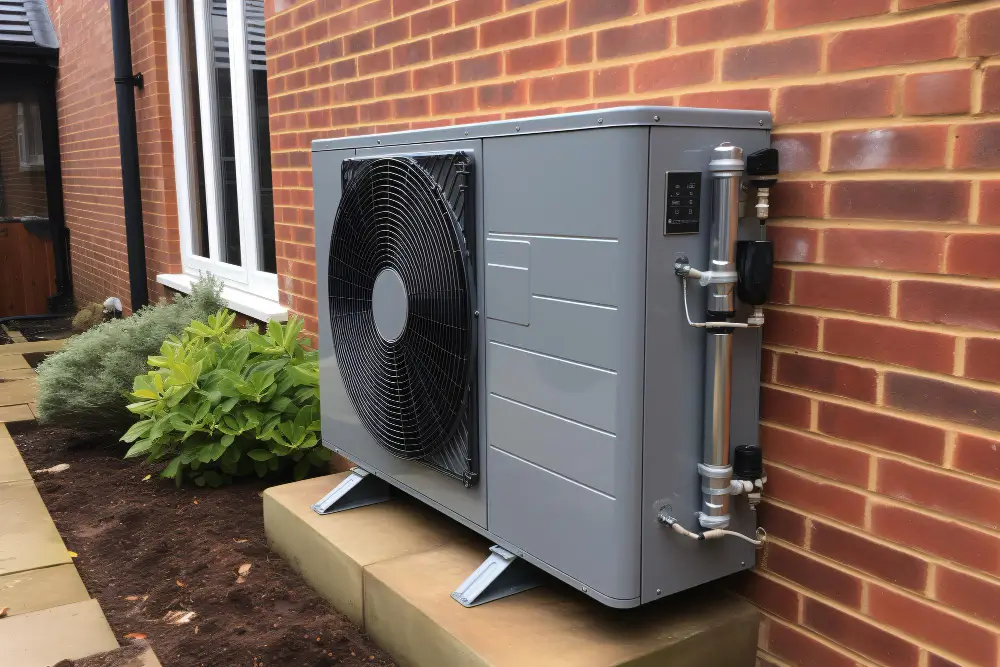
The primary advantage of air source heat pumps lies in their remarkable efficiency. Unlike boilers that generate heat through combustion, heat pumps transfer existing warmth from outdoor air into your home. This fundamental difference allows them to deliver three to four units of heat for every unit of electricity consumed. No fossil fuel system can match this efficiency level, even the most advanced condensing gas boilers. For homeowners currently using expensive fuels like oil or LPG, this efficiency translates directly into substantial cost savings. Even properties with mains gas can benefit, particularly when electricity comes from renewable sources or preferential tariffs. The efficiency advantage compounds over time – a heat pump installation in Castle Douglas operates economically year after year, delivering consistent savings throughout its 20-year lifespan. This long-term financial benefit makes heat pumps increasingly attractive despite higher initial installation costs.
Benefit Two: Dramatically Lower Carbon Emissions
Climate concerns increasingly influence household decisions, and heating represents a significant portion of most homes’ carbon footprint. Traditional boilers burn fossil fuels, releasing carbon dioxide directly into the atmosphere with every hour of operation. Air source heat pumps eliminate this combustion entirely, running on electricity. Their environmental impact depends on how that electricity is generated. As the UK’s grid incorporates more renewable generation, the carbon benefit of heat pumps continues to improve. A household in Castle Douglas switching from gas or oil heating to an air source heat pump can reduce its heating-related emissions considerably. This reduction represents one of the most effective actions homeowners can take towards environmental responsibility. For those prioritising sustainability, heat pumps offer a practical pathway to align home comfort with environmental values.
Benefit Three: Long Lifespan Means Better Value Over Time
Initial cost comparisons often favour traditional boilers, but lifespan analysis changes the equation. Gas boilers typically operate for 12 to 15 years before requiring replacement. Air source heat pumps, when properly maintained, regularly exceed 20 years of reliable operation. This extended lifespan significantly improves the value proposition. Whilst the upfront investment is higher, the cost per year of operation becomes more competitive when spread over a longer period. Additionally, heat pumps have fewer moving parts than boilers and don’t involve combustion, potentially reducing breakdown frequency during their operational life. The combination of longevity, efficiency and reliability makes heat pumps increasingly attractive when viewed as a long-term investment rather than a simple like-for-like replacement. This perspective helps homeowners look beyond initial costs to total lifetime value.
Which option best describes your home?
Bungalow
Semi-Detached
Detached
Flat
Terraced
It just takes 60 seconds
And then you can book a free consultation
| Benefit Category | What It Means for You | Why It Matters |
|---|---|---|
| Energy Efficiency | Lower ongoing energy bills through superior heat delivery | Saves money month after month, particularly for oil or LPG users |
| Environmental Impact | Dramatically reduced carbon emissions from home heating | Contributes meaningfully to climate goals and environmental responsibility |
| System Longevity | 20+ years of operation vs 12–15 for gas boilers | Better long-term value despite higher initial investment |
| Government Support | Grants available to offset installation costs | Makes renewable heating more financially accessible today |
| Future-Proofing | Aligned with UK’s transition away from fossil fuel heating | Avoids potential future regulatory changes or fossil fuel phase-outs |
Benefit Four: Government Grants Improve Financial Accessibility
The UK government actively supports the transition to renewable heating through grant programmes. The Boiler Upgrade Scheme provides substantial financial support for heat pump installations, helping to offset the higher upfront costs. These grants can reduce the initial investment considerably, bringing heat pumps within reach for more households. The availability of this support reflects government commitment to decarbonising home heating and meeting climate targets. Beyond grants, many installers offer finance options that spread costs over manageable monthly payments. This combination of grants and financing makes heat pumps more accessible than ever before. For homeowners replacing failed boilers or planning heating system upgrades, investigating available support is worthwhile. The financial assistance available today may not continue indefinitely, creating an incentive to act whilst support remains generous.
Benefit Five: Future-Proofing Against Policy Changes
UK heating policy is evolving rapidly towards renewable technologies and away from fossil fuels. Whilst gas boilers remain common today, longer-term trends point towards heat pumps and other low-carbon alternatives. Installing a heat pump now aligns your property with this trajectory, avoiding potential future complications. New-build homes increasingly feature heat pumps as standard, reflecting both building regulations and developer expectations about future heating norms. Whilst existing gas boiler users won’t face immediate restrictions, the direction of travel is clear. Early adopters of heat pump technology position themselves ahead of this transition, avoiding the rush when changes accelerate. This future-proofing extends to property value considerations too – energy-efficient heating increasingly influences buyer decisions. A professionally installed air source heat pump in Castle Douglas represents a forward-looking investment that anticipates rather than reacts to changing circumstances.
How Do Heat Pumps Perform in Scottish Climate Conditions?
A common question concerns heat pump performance in cold climates. Modern systems are specifically engineered to operate efficiently in sub-zero temperatures, making them entirely suitable for Scottish winters. The technology has advanced considerably, with current models extracting usable heat from outdoor air even at -15°C. Across Castle Douglas and the wider Dumfries and Galloway region, properly specified heat pumps maintain comfortable indoor temperatures throughout the coldest months. The key lies in correct sizing and professional installation. An experienced installer conducts detailed heat loss calculations, ensuring the system matches your property’s specific requirements. When designed appropriately, heat pumps deliver reliable heating regardless of outdoor conditions. This cold-weather capability removes a major concern that previously limited heat pump adoption in northern regions.
What About Cooling Capability in Summer?
An often-overlooked benefit of air source heat pumps is their cooling capability. Many heat pump systems can operate in reverse during warmer months, extracting heat from your home and releasing it outdoors. This air conditioning function provides comfortable indoor temperatures year-round, not just during the heating season. As UK summers become warmer, this cooling capability grows increasingly valuable. Homeowners gain a dual-purpose system – efficient heating in winter and cooling in summer – from a single installation. This versatility adds functional value beyond traditional heating systems. The cooling operation uses the same efficient heat transfer principle, avoiding the energy consumption of portable air conditioning units. For properties that occasionally overheat during summer, this added capability provides comfort without the cost and inconvenience of separate cooling systems.
Do Heat Pumps Require Extensive Property Modifications?
The extent of modifications required varies considerably between properties. Well-insulated homes with adequate existing radiators often accommodate heat pumps with minimal changes. The installer might adjust a few radiators, upgrade the hot water cylinder and install the external unit, but the core infrastructure remains largely unchanged. Other properties may benefit from more extensive preparation – improved insulation, larger radiators or underfloor heating in key areas. These modifications enhance heat pump performance, ensuring optimal efficiency and comfort. A thorough assessment identifies exactly what your property needs, avoiding both over-specification and under-preparation. Many homeowners find the modifications less extensive than anticipated, particularly in properties built or renovated within the last 20 years. Understanding requirements upfront allows realistic planning and budget allocation.
Final Thoughts
Air source heat pumps deliver multiple compelling benefits – superior efficiency, dramatically lower emissions, extended lifespan, government support and future-proofing against policy changes. These advantages make heat pumps increasingly attractive for UK homeowners seeking reliable, cost-effective and environmentally responsible heating solutions. Whilst not suitable for every property or situation, heat pumps represent proven technology with clear benefits for appropriately selected homes.
For expert guidance on air source heat pump installation in Castle Douglas, Heating Care Dumfries provides comprehensive assessments and professional fitting throughout Dumfries and Galloway. Contact our team today to discover how your home could benefit from renewable heating technology.
Related articles
Which option best describes your home?
Bungalow
Semi-Detached
Detached
Flat
Terraced
At a glance
Benefit One: Exceptional Energy Efficiency Reduces Running Costs
The primary advantage of air source heat pumps lies in their remarkable efficiency. Unlike boilers that generate heat through combustion, heat pumps transfer existing warmth from outdoor air into your home. This fundamental difference allows them to deliver three to four units of heat for every unit of electricity consumed. No fossil fuel system can match this efficiency level, even the most advanced condensing gas boilers. For homeowners currently using expensive fuels like oil or LPG, this efficiency translates directly into substantial cost savings. Even properties with mains gas can benefit, particularly when electricity comes from renewable sources or preferential tariffs. The efficiency advantage compounds over time – a heat pump installation in Castle Douglas operates economically year after year, delivering consistent savings throughout its 20-year lifespan. This long-term financial benefit makes heat pumps increasingly attractive despite higher initial installation costs.
Benefit Two: Dramatically Lower Carbon Emissions
Climate concerns increasingly influence household decisions, and heating represents a significant portion of most homes’ carbon footprint. Traditional boilers burn fossil fuels, releasing carbon dioxide directly into the atmosphere with every hour of operation. Air source heat pumps eliminate this combustion entirely, running on electricity. Their environmental impact depends on how that electricity is generated. As the UK’s grid incorporates more renewable generation, the carbon benefit of heat pumps continues to improve. A household in Castle Douglas switching from gas or oil heating to an air source heat pump can reduce its heating-related emissions considerably. This reduction represents one of the most effective actions homeowners can take towards environmental responsibility. For those prioritising sustainability, heat pumps offer a practical pathway to align home comfort with environmental values.
Benefit Three: Long Lifespan Means Better Value Over Time
Initial cost comparisons often favour traditional boilers, but lifespan analysis changes the equation. Gas boilers typically operate for 12 to 15 years before requiring replacement. Air source heat pumps, when properly maintained, regularly exceed 20 years of reliable operation. This extended lifespan significantly improves the value proposition. Whilst the upfront investment is higher, the cost per year of operation becomes more competitive when spread over a longer period. Additionally, heat pumps have fewer moving parts than boilers and don’t involve combustion, potentially reducing breakdown frequency during their operational life. The combination of longevity, efficiency and reliability makes heat pumps increasingly attractive when viewed as a long-term investment rather than a simple like-for-like replacement. This perspective helps homeowners look beyond initial costs to total lifetime value.
Which option best describes your home?
Bungalow
Semi-Detached
Detached
Flat
Terraced
It just takes 60 seconds
And then you can book a free consultation
| Benefit Category | What It Means for You | Why It Matters |
|---|---|---|
| Energy Efficiency | Lower ongoing energy bills through superior heat delivery | Saves money month after month, particularly for oil or LPG users |
| Environmental Impact | Dramatically reduced carbon emissions from home heating | Contributes meaningfully to climate goals and environmental responsibility |
| System Longevity | 20+ years of operation vs 12–15 for gas boilers | Better long-term value despite higher initial investment |
| Government Support | Grants available to offset installation costs | Makes renewable heating more financially accessible today |
| Future-Proofing | Aligned with UK’s transition away from fossil fuel heating | Avoids potential future regulatory changes or fossil fuel phase-outs |
Benefit Four: Government Grants Improve Financial Accessibility
The UK government actively supports the transition to renewable heating through grant programmes. The Boiler Upgrade Scheme provides substantial financial support for heat pump installations, helping to offset the higher upfront costs. These grants can reduce the initial investment considerably, bringing heat pumps within reach for more households. The availability of this support reflects government commitment to decarbonising home heating and meeting climate targets. Beyond grants, many installers offer finance options that spread costs over manageable monthly payments. This combination of grants and financing makes heat pumps more accessible than ever before. For homeowners replacing failed boilers or planning heating system upgrades, investigating available support is worthwhile. The financial assistance available today may not continue indefinitely, creating an incentive to act whilst support remains generous.
Benefit Five: Future-Proofing Against Policy Changes
UK heating policy is evolving rapidly towards renewable technologies and away from fossil fuels. Whilst gas boilers remain common today, longer-term trends point towards heat pumps and other low-carbon alternatives. Installing a heat pump now aligns your property with this trajectory, avoiding potential future complications. New-build homes increasingly feature heat pumps as standard, reflecting both building regulations and developer expectations about future heating norms. Whilst existing gas boiler users won’t face immediate restrictions, the direction of travel is clear. Early adopters of heat pump technology position themselves ahead of this transition, avoiding the rush when changes accelerate. This future-proofing extends to property value considerations too – energy-efficient heating increasingly influences buyer decisions. A professionally installed air source heat pump in Castle Douglas represents a forward-looking investment that anticipates rather than reacts to changing circumstances.
How Do Heat Pumps Perform in Scottish Climate Conditions?
A common question concerns heat pump performance in cold climates. Modern systems are specifically engineered to operate efficiently in sub-zero temperatures, making them entirely suitable for Scottish winters. The technology has advanced considerably, with current models extracting usable heat from outdoor air even at -15°C. Across Castle Douglas and the wider Dumfries and Galloway region, properly specified heat pumps maintain comfortable indoor temperatures throughout the coldest months. The key lies in correct sizing and professional installation. An experienced installer conducts detailed heat loss calculations, ensuring the system matches your property’s specific requirements. When designed appropriately, heat pumps deliver reliable heating regardless of outdoor conditions. This cold-weather capability removes a major concern that previously limited heat pump adoption in northern regions.
What About Cooling Capability in Summer?
An often-overlooked benefit of air source heat pumps is their cooling capability. Many heat pump systems can operate in reverse during warmer months, extracting heat from your home and releasing it outdoors. This air conditioning function provides comfortable indoor temperatures year-round, not just during the heating season. As UK summers become warmer, this cooling capability grows increasingly valuable. Homeowners gain a dual-purpose system – efficient heating in winter and cooling in summer – from a single installation. This versatility adds functional value beyond traditional heating systems. The cooling operation uses the same efficient heat transfer principle, avoiding the energy consumption of portable air conditioning units. For properties that occasionally overheat during summer, this added capability provides comfort without the cost and inconvenience of separate cooling systems.
Do Heat Pumps Require Extensive Property Modifications?
The extent of modifications required varies considerably between properties. Well-insulated homes with adequate existing radiators often accommodate heat pumps with minimal changes. The installer might adjust a few radiators, upgrade the hot water cylinder and install the external unit, but the core infrastructure remains largely unchanged. Other properties may benefit from more extensive preparation – improved insulation, larger radiators or underfloor heating in key areas. These modifications enhance heat pump performance, ensuring optimal efficiency and comfort. A thorough assessment identifies exactly what your property needs, avoiding both over-specification and under-preparation. Many homeowners find the modifications less extensive than anticipated, particularly in properties built or renovated within the last 20 years. Understanding requirements upfront allows realistic planning and budget allocation.
Final Thoughts
Air source heat pumps deliver multiple compelling benefits – superior efficiency, dramatically lower emissions, extended lifespan, government support and future-proofing against policy changes. These advantages make heat pumps increasingly attractive for UK homeowners seeking reliable, cost-effective and environmentally responsible heating solutions. Whilst not suitable for every property or situation, heat pumps represent proven technology with clear benefits for appropriately selected homes.
For expert guidance on air source heat pump installation in Castle Douglas, Heating Care Dumfries provides comprehensive assessments and professional fitting throughout Dumfries and Galloway. Contact our team today to discover how your home could benefit from renewable heating technology.




