
Air Source Heat Pumps: Are They the Future of Home Heating?
Home heating in Scotland is changing. With rising energy prices, stricter environmental targets and increasing government support for renewable technologies, more homeowners are questioning whether traditional gas boilers remain the best option. Air source heat pumps have emerged as a compelling alternative, offering a way to heat your home efficiently whilst reducing carbon emissions. But are they genuinely the future, or simply a passing trend? In this guide, we’ll explore how air source heat pumps work, their benefits and whether they represent a long-term solution for UK households.

Why you can trust our content
We know the renewable heating industry can be confusing, but we only rely on trusted sources, including:



At a glance
Most homes can benefit from an air source heat pump, including new-build properties and many existing homes. During a survey, we will assess your home’s insulation levels, heat loss and heating system to determine the most suitable heat pump solution for your property.
How Do Air Source Heat Pumps Actually Work?
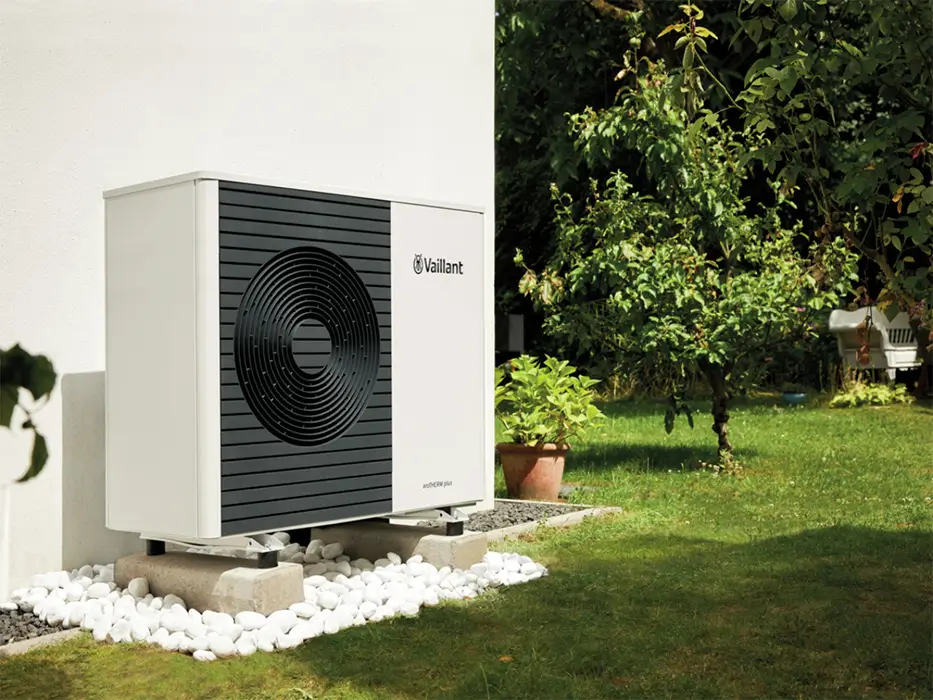
Air source heat pumps extract warmth from outdoor air and transfer it into your home, even when temperatures drop below freezing. The process involves a refrigerant fluid that absorbs heat from the air, which is then compressed to increase its temperature. This heated refrigerant circulates through your radiators, underfloor heating or hot water cylinder, providing consistent warmth throughout your property. The system operates in a similar way to a refrigerator but in reverse, making it remarkably efficient. Unlike traditional boilers that generate heat by burning fuel, heat pumps simply move existing warmth from one place to another, using minimal electricity in the process.
Are Air Source Heat Pumps More Efficient Than Traditional Boilers?
The efficiency of heat pumps is measured differently to conventional boilers. For every unit of electricity consumed, a well-designed air source heat pump in Dumfries can generate three to four units of usable heat. This efficiency level significantly outperforms even the most advanced condensing gas boilers, which typically achieve around 90% efficiency. The key difference lies in the fundamental operation – gas boilers must burn fuel to create heat, which always results in some energy loss. Heat pumps transfer existing warmth, requiring far less energy input. Over time, this efficiency translates into lower running costs, particularly when replacing oil, LPG or older electric heating systems. The financial benefit becomes even more pronounced as electricity increasingly comes from renewable sources.
What Are the Environmental Benefits of Switching to Heat Pumps?
Heat pumps play a crucial role in reducing household carbon emissions. Traditional heating systems burn fossil fuels, releasing carbon dioxide directly into the atmosphere. Air source heat pumps eliminate this combustion process entirely, running on electricity that increasingly comes from renewable sources like wind and solar. As the UK’s electricity grid becomes greener, the environmental advantage of heat pumps continues to improve. A household switching from an old gas boiler to a heat pump installation in Dumfries can reduce its heating-related carbon emissions considerably. This reduction helps the UK move towards its net-zero targets whilst giving homeowners a tangible way to contribute to environmental protection. The shift to renewable heating represents one of the most effective steps you can take to lower your home’s environmental impact.
Which option best describes your home?
Bungalow
Semi-Detached
Detached
Flat
Terraced
It just takes 60 seconds
And then you can book a free consultation
Do Heat Pumps Work Effectively in Scottish Winters?
One common misconception suggests heat pumps struggle in cold climates. Modern air source heat pumps are specifically designed to operate efficiently in temperatures well below freezing, making them perfectly suitable for Scottish winters. The technology has advanced considerably, with current models extracting usable heat from outdoor air even at -15°C. Across Dumfries and Galloway, where winter temperatures regularly drop, properly specified heat pumps continue to deliver consistent warmth throughout the coldest months. The key lies in correct sizing and professional installation. An experienced air source heat pump fitter in Dumfries will calculate your property’s heat loss, ensuring the system is appropriately sized for your home’s specific requirements. When designed correctly, heat pumps maintain comfortable indoor temperatures regardless of outdoor conditions.
Will a Heat Pump Work with My Existing Radiators?
Many homeowners worry that switching to a heat pump requires replacing their entire heating system. Whilst heat pumps work most efficiently with underfloor heating or larger radiators, they can often work with existing radiators. The difference lies in operating temperature – heat pumps produce lower water temperatures than traditional boilers, typically between 35°C and 50°C compared to 60°C to 80°C for gas boilers. In some cases, your current radiators may be sufficient, particularly if your home is well insulated. In other situations, you might need to upsize certain radiators to ensure adequate heat output. A thorough heat design assessment will identify exactly what modifications, if any, your property requires. This approach ensures optimal performance whilst minimising unnecessary changes to your existing system.
If you’re considering making the switch, speak to an installer for tailored advice on your property’s specific requirements.
Are There Any Downsides to Consider?
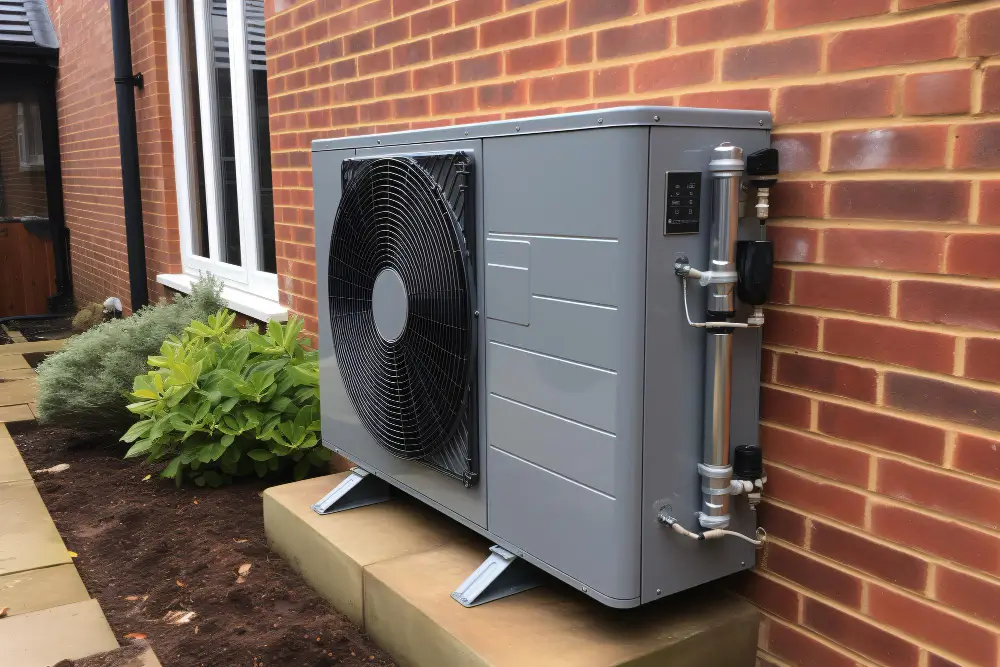
Whilst heat pumps offer numerous advantages, they’re not suitable for every property or situation. The upfront installation cost remains higher than replacing a like-for-like gas boiler, even with available grants. Heat pumps also require outdoor space for the external unit, which needs careful positioning to minimise noise and visual impact. Properties with poor insulation may require improvements before a heat pump can operate efficiently, adding to the overall project cost. The technology also requires homeowners to adjust their expectations – heat pumps work best when maintaining a consistent temperature rather than rapid heating on demand. This represents a shift from traditional boiler usage patterns. However, for well-insulated properties with space for the equipment and homeowners willing to embrace a different heating approach, the benefits typically outweigh these considerations.
A Real-World Example from Dumfries and Galloway
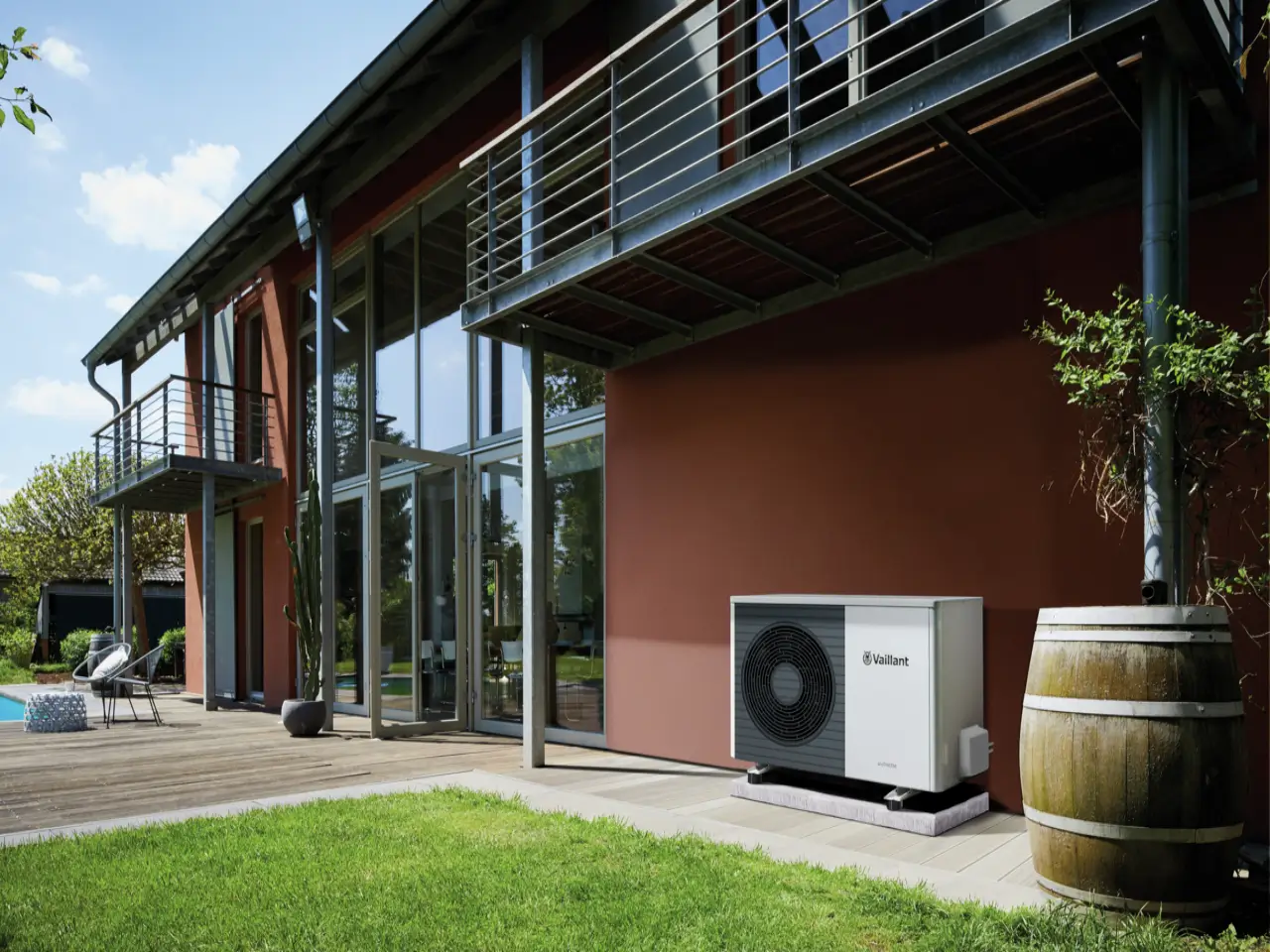
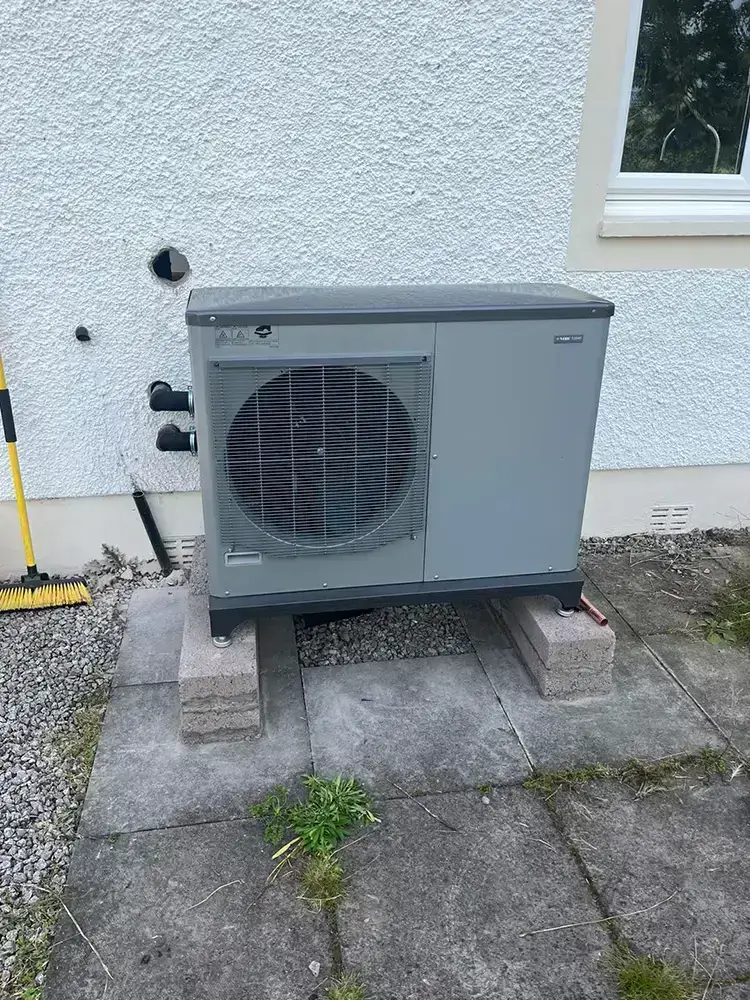
Consider a typical stone-built property in rural Dumfries and Galloway, previously heated by an ageing oil boiler. The homeowners faced increasing fuel costs and concerns about their environmental impact. After a comprehensive heat loss assessment, an air source heat pump was fitted alongside upgraded loft insulation and several larger radiators in key rooms. The external unit was positioned discreetly to the side of the property, minimising visual and noise impact. The system now maintains comfortable temperatures throughout the coldest months whilst significantly reducing the household’s carbon footprint. Although the initial investment exceeded the cost of a new oil boiler, the ongoing fuel savings and improved comfort levels have validated the decision. This example demonstrates how heat pumps can transform heating in rural properties when properly designed and installed.
Final Thoughts
Air source heat pumps represent a proven, efficient heating technology rather than an experimental innovation. As we transition away from fossil fuel heating, they offer a practical pathway for homeowners to reduce both carbon emissions and long-term energy costs. Whilst not suitable for every property, heat pumps are increasingly recognised as a long-term heating solution rather than a temporary trend.
If you’re considering renewable heating for your property in Dumfries, Heating Care Dumfries provides expert air source heat pump installation throughout Dumfries and Galloway. Contact our team today to discuss your requirements and arrange a property assessment.
Related articles
Which option best describes your home?
Bungalow
Semi-Detached
Detached
Flat
Terraced
At a glance
Most homes can benefit from an air source heat pump, including new-build properties and many existing homes. During a survey, we will assess your home’s insulation levels, heat loss and heating system to determine the most suitable heat pump solution for your property.
How Do Air Source Heat Pumps Actually Work?
Air source heat pumps extract warmth from outdoor air and transfer it into your home, even when temperatures drop below freezing. The process involves a refrigerant fluid that absorbs heat from the air, which is then compressed to increase its temperature. This heated refrigerant circulates through your radiators, underfloor heating or hot water cylinder, providing consistent warmth throughout your property. The system operates in a similar way to a refrigerator but in reverse, making it remarkably efficient. Unlike traditional boilers that generate heat by burning fuel, heat pumps simply move existing warmth from one place to another, using minimal electricity in the process.
Are Air Source Heat Pumps More Efficient Than Traditional Boilers?
The efficiency of heat pumps is measured differently to conventional boilers. For every unit of electricity consumed, a well-designed air source heat pump in Dumfries can generate three to four units of usable heat. This efficiency level significantly outperforms even the most advanced condensing gas boilers, which typically achieve around 90% efficiency. The key difference lies in the fundamental operation – gas boilers must burn fuel to create heat, which always results in some energy loss. Heat pumps transfer existing warmth, requiring far less energy input. Over time, this efficiency translates into lower running costs, particularly when replacing oil, LPG or older electric heating systems. The financial benefit becomes even more pronounced as electricity increasingly comes from renewable sources.
What Are the Environmental Benefits of Switching to Heat Pumps?
Heat pumps play a crucial role in reducing household carbon emissions. Traditional heating systems burn fossil fuels, releasing carbon dioxide directly into the atmosphere. Air source heat pumps eliminate this combustion process entirely, running on electricity that increasingly comes from renewable sources like wind and solar. As the UK’s electricity grid becomes greener, the environmental advantage of heat pumps continues to improve. A household switching from an old gas boiler to a heat pump installation in Dumfries can reduce its heating-related carbon emissions considerably. This reduction helps the UK move towards its net-zero targets whilst giving homeowners a tangible way to contribute to environmental protection. The shift to renewable heating represents one of the most effective steps you can take to lower your home’s environmental impact.
Which option best describes your home?
Bungalow
Semi-Detached
Detached
Flat
Terraced
It just takes 60 seconds
And then you can book a free consultation
Do Heat Pumps Work Effectively in Scottish Winters?
One common misconception suggests heat pumps struggle in cold climates. Modern air source heat pumps are specifically designed to operate efficiently in temperatures well below freezing, making them perfectly suitable for Scottish winters. The technology has advanced considerably, with current models extracting usable heat from outdoor air even at -15°C. Across Dumfries and Galloway, where winter temperatures regularly drop, properly specified heat pumps continue to deliver consistent warmth throughout the coldest months. The key lies in correct sizing and professional installation. An experienced air source heat pump fitter in Dumfries will calculate your property’s heat loss, ensuring the system is appropriately sized for your home’s specific requirements. When designed correctly, heat pumps maintain comfortable indoor temperatures regardless of outdoor conditions.
Will a Heat Pump Work with My Existing Radiators?
Many homeowners worry that switching to a heat pump requires replacing their entire heating system. Whilst heat pumps work most efficiently with underfloor heating or larger radiators, they can often work with existing radiators. The difference lies in operating temperature – heat pumps produce lower water temperatures than traditional boilers, typically between 35°C and 50°C compared to 60°C to 80°C for gas boilers. In some cases, your current radiators may be sufficient, particularly if your home is well insulated. In other situations, you might need to upsize certain radiators to ensure adequate heat output. A thorough heat design assessment will identify exactly what modifications, if any, your property requires. This approach ensures optimal performance whilst minimising unnecessary changes to your existing system.
If you’re considering making the switch, speak to an installer for tailored advice on your property’s specific requirements.
Are There Any Downsides to Consider?
Whilst heat pumps offer numerous advantages, they’re not suitable for every property or situation. The upfront installation cost remains higher than replacing a like-for-like gas boiler, even with available grants. Heat pumps also require outdoor space for the external unit, which needs careful positioning to minimise noise and visual impact. Properties with poor insulation may require improvements before a heat pump can operate efficiently, adding to the overall project cost. The technology also requires homeowners to adjust their expectations – heat pumps work best when maintaining a consistent temperature rather than rapid heating on demand. This represents a shift from traditional boiler usage patterns. However, for well-insulated properties with space for the equipment and homeowners willing to embrace a different heating approach, the benefits typically outweigh these considerations.
A Real-World Example from Dumfries and Galloway
Consider a typical stone-built property in rural Dumfries and Galloway, previously heated by an ageing oil boiler. The homeowners faced increasing fuel costs and concerns about their environmental impact. After a comprehensive heat loss assessment, an air source heat pump was fitted alongside upgraded loft insulation and several larger radiators in key rooms. The external unit was positioned discreetly to the side of the property, minimising visual and noise impact. The system now maintains comfortable temperatures throughout the coldest months whilst significantly reducing the household’s carbon footprint. Although the initial investment exceeded the cost of a new oil boiler, the ongoing fuel savings and improved comfort levels have validated the decision. This example demonstrates how heat pumps can transform heating in rural properties when properly designed and installed.
Final Thoughts
Air source heat pumps represent a proven, efficient heating technology rather than an experimental innovation. As we transition away from fossil fuel heating, they offer a practical pathway for homeowners to reduce both carbon emissions and long-term energy costs. Whilst not suitable for every property, heat pumps are increasingly recognised as a long-term heating solution rather than a temporary trend.
If you’re considering renewable heating for your property in Dumfries, Heating Care Dumfries provides expert air source heat pump installation throughout Dumfries and Galloway. Contact our team today to discuss your requirements and arrange a property assessment.



